The Strongest Leaders Serve First
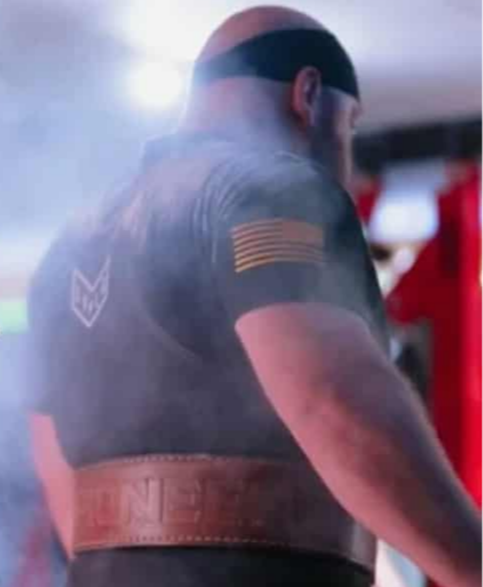
I've spent 15 years managing hundreds of people in one of the most demanding environments in retail, a large grocery operation where I was responsible for company performance, personnel management, and development. I've also spent nearly a decade coaching athletes, from baseball players and MMA fighters to powerlifters.
Here's what I've learned from both worlds: the best leaders aren't the loudest ones in the room. They're the ones who make everyone around them better, and then get out of the way.
That's servant leadership.
What Is Servant Leadership?
The term was first used by researcher Robert Greenleaf in 1970. He noticed something that went against the typical "boss at the top, everyone else below" model. The companies with long-term success weren't led by people who barked orders. They were led by people who acted more like coaches, spending their energy helping others grow, removing obstacles, and building trust.
Greenleaf flipped the pyramid upside down. Instead of the leader sitting at the top giving orders, the servant leader sits at the bottom, holding up everyone else.
A servant leader asks one simple question: do the people I lead grow as a result of working with me?
The Grocery Store and the Platform Have More in Common Than You'd Think
When you're managing hundreds of people across different departments, different shifts, and different skill levels, you learn fast that a one-size-fits-all approach doesn't work. The butcher who's been there 20 years needs something completely different from the 19-year-old who just got hired.
The veteran knows the job cold. They need to feel respected, to have ownership over how they do their work, and to know their experience matters. Come in trying to teach them things they figured out a decade ago and you've already lost them. They don't need instruction. They need trust.
The new hire is the opposite. They need structure, clear expectations, and someone checking in without making them feel watched. Too much pressure early and they shut down. Not enough guidance and they drift. Getting that balance right is a skill, not luck.
Multiply that across hundreds of people with different personalities, life situations, and motivations. A good operations manager learns to read the room quickly, adjust constantly, and never assume what worked with one person will work with the next.
Powerlifting is no different.
I work with lifters who span the full spectrum: beginners who have never touched a barbell in competition, veterans chasing records, the stay-at-home mom who just wants to feel strong, masters athletes who discovered the sport at 50, and everything in between. Every one of them has different goals, different histories, different fears, and different strengths. And every one of them needs something different from me.
The veteran with ten years of competition experience doesn't need me explaining what RPE means. They need a coach who listens, asks the right questions, and trusts that they know their body. My job with them is to be a second set of eyes and a sounding board, not a teacher talking down to a student.
The brand new lifter needs confidence built slowly, and a coach who isn't going to dump every technical cue in existence on them in week one. You build the foundation first, so that they have a stable base with which they can understand everything else that comes later.
The stay-at-home mom who came to me wanting to feel capable again needs me to understand that her win looks completely different from a competitive athlete's win. My job is to figure out what that looks like for her and help her get there, not redirect her toward what I think she should want.
That's servant leadership at its most practical. It's not a system you apply the same way to every person. It's a mindset that starts with one question: what does this specific person actually need from me right now?
What Servant Leadership Looks Like in Powerlifting
Servant leadership isn't just a coaching concept. It shows up on both sides of the bar.
As an Athlete
A servant-minded athlete shows up ready to work, not just for themselves but for the people around them. They give honest feedback to their training partners. They help newer lifters without being asked. They celebrate other people's PRs like their own and share what they've learned instead of hoarding it like a competitive advantage.
It also means being coachable. Trusting the process even when you disagree with it. Asking questions about things you don't understand. Being honest about what's working and what isn't instead of telling your coach what they want to hear. A servant-minded athlete doesn't just receive coaching. They are an active participant in it.
As a Coach
A servant-minded coach starts by listening. Not just to what the athlete says they want, but to what they actually need. Those two things are often different. An athlete might tell me they want to compete in eight weeks. What they actually need might be two or three more blocks of skill development first. So the coach must balance the WANT of competition with the athlete with the preparation they NEED to be successful at it. A coach who only tells people what they want to hear isn't serving them. They're just managing them.
Here's something I want to say plainly because it doesn't get said enough: You are not programming a robot. You are programming for a human being. That sounds obvious until you watch how a lot of coaching actually operates, where someone gets handed a spreadsheet, told to follow it exactly, and checks in once a month to see if the numbers went up. That's not coaching.
A spreadsheet doesn't know your athlete just went through a divorce. It doesn't know they haven't slept in two weeks because their kid is sick. It doesn't know they almost quit the sport three months ago because of shoulder pain. A program written without that context is just math. Coaching is everything the math can't account for.
The best program in the world will fail if the person running it doesn't believe in it, doesn't understand it, or is running on empty when they show up to execute it. I've seen optimized training cycles fall apart because the coach never asked how the athlete was doing outside the gym. And I've seen simple programs produce incredible results because the athlete trusted their coach, felt seen, and showed up ready to work every single session.
That trust doesn't come from writing a perfect program. It comes from knowing your athlete as a person first.
What drives them? What are they afraid of? What does their life actually look like outside the gym? Do they have a job that puts them on their feet for ten hours? Three kids at home and fifteen minutes of quiet a day? Do they need constant encouragement or do they prefer to grind in silence? These things matter as much as any technical cue or percentage calculation. If you get the human side wrong, nothing on the program side is going to save you.
My job as a coach isn't just to write good training. It's to understand who I'm writing it for well enough that they can actually execute it in the life they're living, not the ideal version I might imagine for them. That requires conversation, regular check-ins about more than just numbers, and building the kind of relationship where an athlete feels comfortable telling me when something isn't working instead of quietly grinding through it until they burn out.
Dr. Dave Osborn and the team at OPS have built an entire culture around this: great coaching isn't about the coach's followers on social media. It's about holistic athlete development: physical, mental, social, emotional. Great coaches create the conditions and environment for them to succeed, then get out of the way.
A servant coach also has to be willing to hear hard things. When a program isn't clicking, I want to know. When communication breaks down, I want to fix it. Coaches who get defensive when questioned are serving their own ego, not their athletes. Humility isn't a weakness in this sport. It's a requirement.
What This Means for the Lifters I Work With
Your goals drive the program, not mine. I listen before I prescribe. I explain the reasoning behind every major decision. I check in on how you're doing as a person, not just as a lifter. And on meet day, I'm in your corner.
I'm not trying to build a trophy case of athletes who did impressive things because of me. I'm trying to build people who are stronger, smarter, and more confident because of what we did together.
The barbell is just a tool. The real work is everything else.
Servant leadership isn't soft. It's one of the harder things to do consistently, because it requires setting your ego aside every single day. In a sport where numbers and rankings are right there in black and white, that's not always easy.
But the coaches who leave the biggest marks aren't the ones who chased the highlight reel. They're the ones who showed up for their people, built real trust, and helped ordinary athletes do extraordinary things.
That's the kind of leader I strive to be in every room I walk into.
The strongest leaders serve first. Everything else follows.
For more from Coach Jeff check out the services page on opsgym.com


Comments