What Makes an Elite Lifter
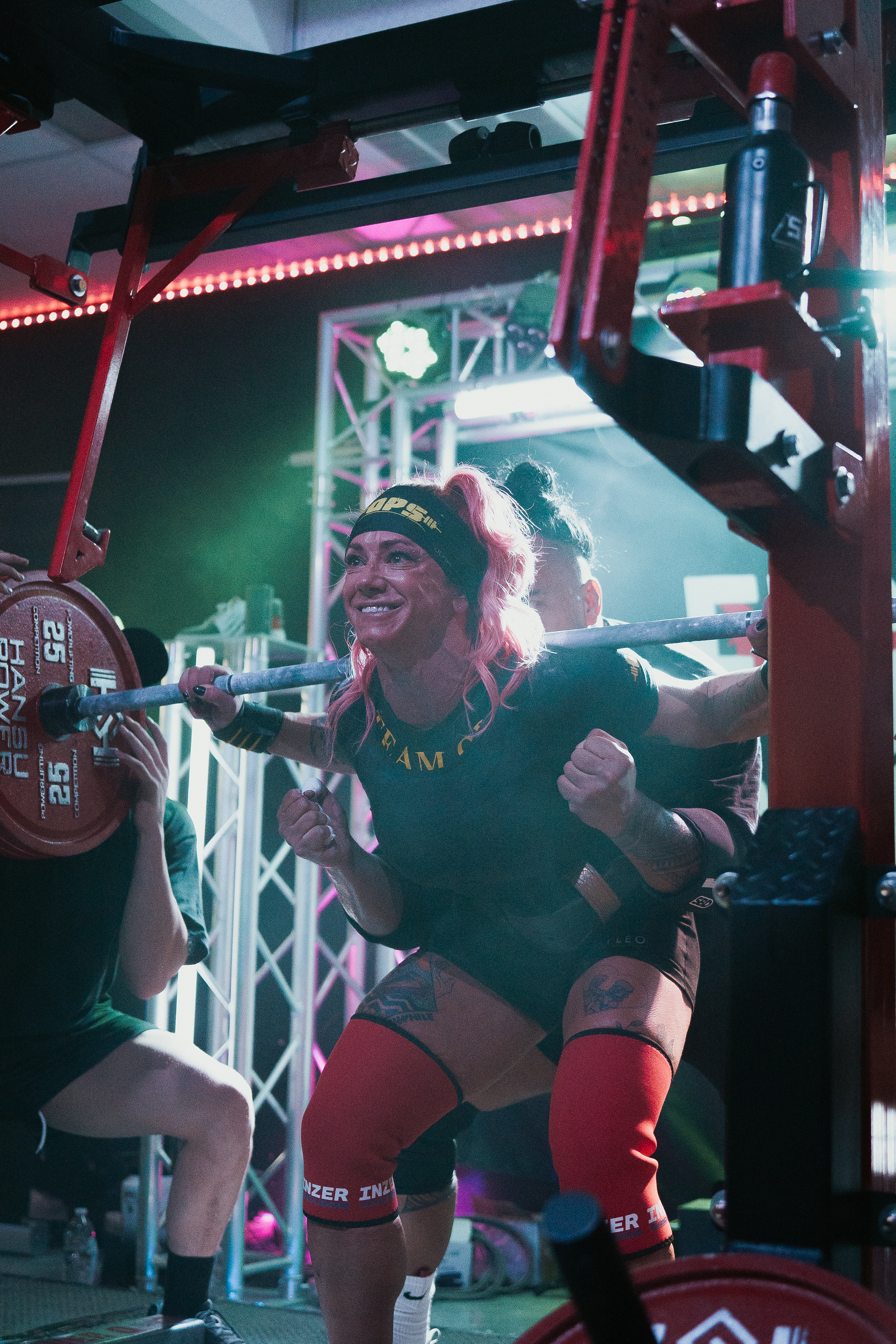
What makes an elite lifter? A total? A number? Sure, that's part of it.
But I believe it's the behaviors. The habits. The discipline and the intention behind everything they do, day in and day out. That's what actually produces the number. The total is just the receipt. The work happens long before you walk on the platform.
Is It Obsession?
People love to call it obsession. I think that word gets thrown around because it's easier to say than to actually name what's happening.
What I see in elite lifters isn't obsession, it's a list of non-negotiables. Things they do regardless of how they feel that day, regardless of what else is going on in their life. Showing up when they don't want to. Showing up when it's inconvenient. Showing up when there's a version of the week where it would've been easier not to.
It's also implementing every tool available to them, not just the training itself. Nutrition dialed in, not guessed at. Meditative practices to manage the mental side of the sport. Sports psychology, actually working on the head, not just the body. Rest and recovery treated as part of the program instead of an afterthought, prioritized over things a lot of people would put first.
That's discipline. It's a level of discipline other people don't have, and I think obsession is just the extreme word people reach for to describe it, because it's easier to write off as something abnormal than to admit it's something they haven't built for themselves.
Now, is it possible to tip into actual obsession? Sure. Obsession means being willing to sacrifice a variety of things to get there, and some lifters are willing to do that. Relationships, finances, time they'll never get back. That's real, and it's worth being honest about. But most of what gets labeled obsession in this sport is just discipline other people aren't used to seeing.
I think the ones who call themselves elite know exactly what it took to get there. They know the mornings they didn't want to show up. They know the fight they had to have with themselves before they ever touched the bar.
The Outliers
There are always outliers. Freaks of nature who seem to make it look easy. I guarantee you they sacrificed too.
For some, it comes faster than others. When that happens, remind yourself that person may have been willing to do more than you. They may have the ability and the access to out-work you. They might take drugs you don't want to take. That's the truth, and it's not an excuse, it's just context.
I also bet they didn't find barriers that got in their way. They found obstacles, and they navigated through them or around them.
Exercise Is a Tool
Do some people use this sport to exercise their demons? Absolutely. And I encourage that.
There's something about a barbell that doesn't lie to you. It doesn't care what kind of day you had, what you're carrying, or what you're trying to outrun. It just asks you to show up and do the work in front of you. For a lot of us, that's exactly what we need. A place where the noise in our head gets quiet enough to focus on one thing: the next rep, the next set, the next lift.
I've watched people walk into a gym carrying things they don't talk about anywhere else. Grief. Anxiety. Anger they don't know what to do with. And I've watched that same barbell give them somewhere to put it. Somewhere productive.
Exercise is a legitimate tool for relieving stress. Use it. Lean on it. Let it be part of how you take care of yourself.
But It Can't Be Your Only Outlet
Here's the part I want people to sit with. Therapy is for therapy. Exercise can support your mental health, but it was never built to carry all of it by itself.
If the gym becomes your only way of dealing with your demons, you've set yourself up for a hard fall. Because some days the work in the gym is hard. Some days a lift just isn't there. If you're walking in looking for that PR, that victory, as your validation, as the thing that proves you're okay, then the day it doesn't come, that session can be crushing.
I've seen a few people come and go from this sport. The ones whose departure I remember clearly are the ones who quit on themselves the moment the rewards got harder to find. The newbie gains dry up. The instant gratification is gone. Progress slows to fractions of a kilo instead of leaps. And if that progress was the only thing holding them together, they didn't have anything left to stand on when it slowed down.
Those individuals stick out in my mind because I clearly believed in them more than they believed in themselves.
This sport has a way of weeding people out, for one reason or another. The ones who end up elite are the ones who stuck around. And I think that's not a coincidence. It's likely because they didn't need the gym to be everything. It was one tool in a bigger toolbox, not the whole toolbox. That's what let them ride out the slow years instead of quitting on the hard days.
The elite are also usually the ones still around the sport in some capacity, coaching, judging, mentoring, giving back. That longevity isn't an accident either.
Being elite isn't just about what you can lift. It's about what you're willing to fight through to get there, on the platform and off it, and about building a life sturdy enough that the sport can support you without being the only thing holding you up.


Comments